
The EV Adoption Chasm: Industry Recalibration Amidst Softening Demand and Waning Incentives

The global electric vehicle (EV) market is entering a phase of significant turbulence, characterized by slower-than-anticipated consumer adoption and massive financial losses for legacy automakers. What was initially hailed as an unstoppable transition is now facing considerable headwinds, forcing manufacturers to halt production, cancel future models, and strategically retreat from ambitious timelines. The core challenge is the misalignment between manufacturers' aggressive production targets and actual consumer demand, particularly in the high-cost utility and luxury segments.
I. The Big Three's Retreat: Financial Losses and Strategic Shifts
The pivot to electrification has proven prohibitively expensive for established manufacturers. Ford, whose flagship F-150 Lightning was intended to spearhead the EV transformation, exemplifies the severity of the market correction. Despite pouring billions into the sector since 2023, Ford has reported estimated losses exceeding $13$ billion on its EV unit. This financial strain, coupled with the erosion of federal tax credits and cooling demand, has reportedly led executives to consider drastic measures regarding the Lightning's future.

Similar adjustments are evident across the industry:
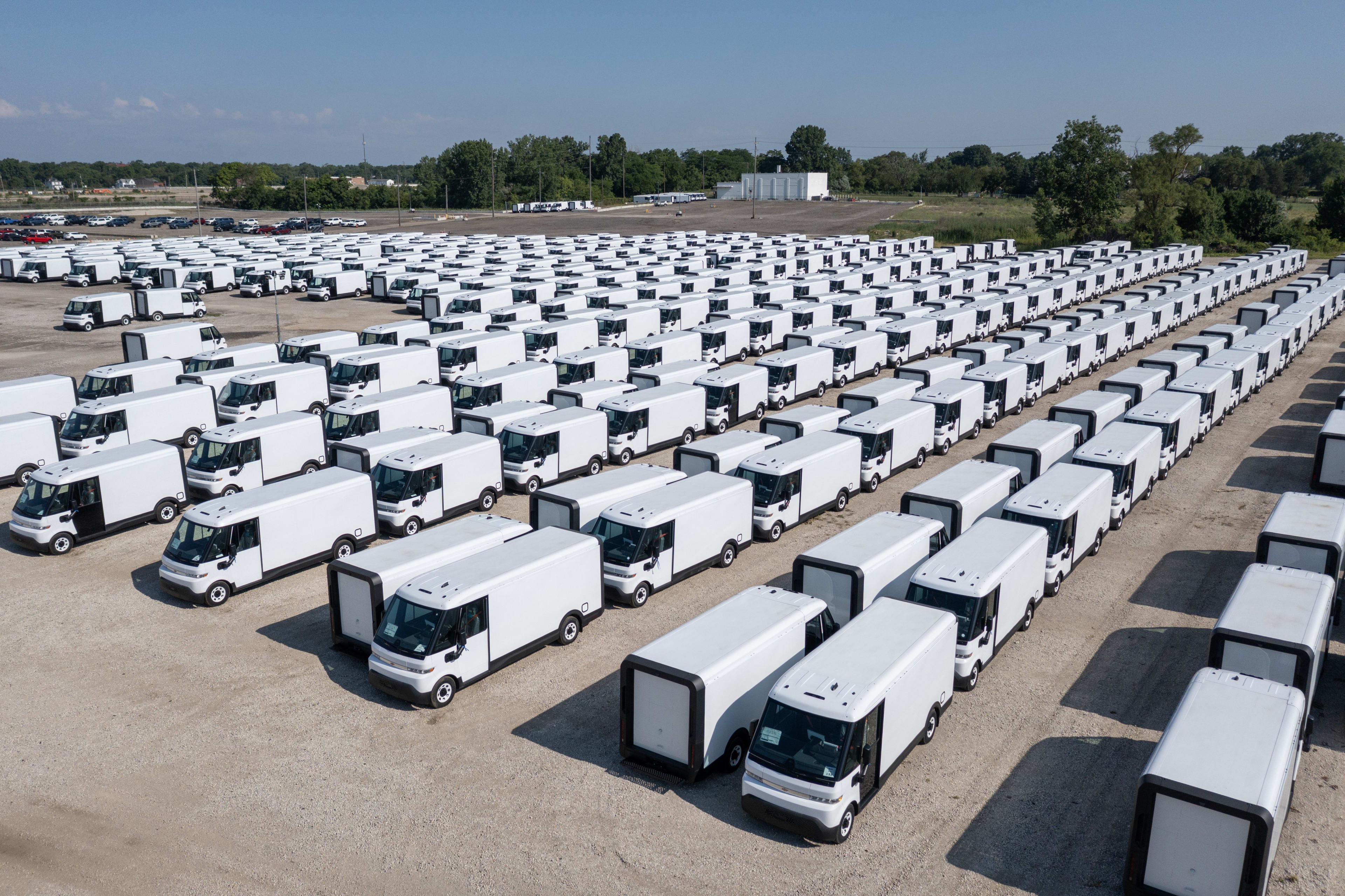
- General Motors (GM) discontinued the Chevrolet BrightDrop electric delivery vans, citing insufficient fleet operator adoption, despite the introduction of an extended-range battery.
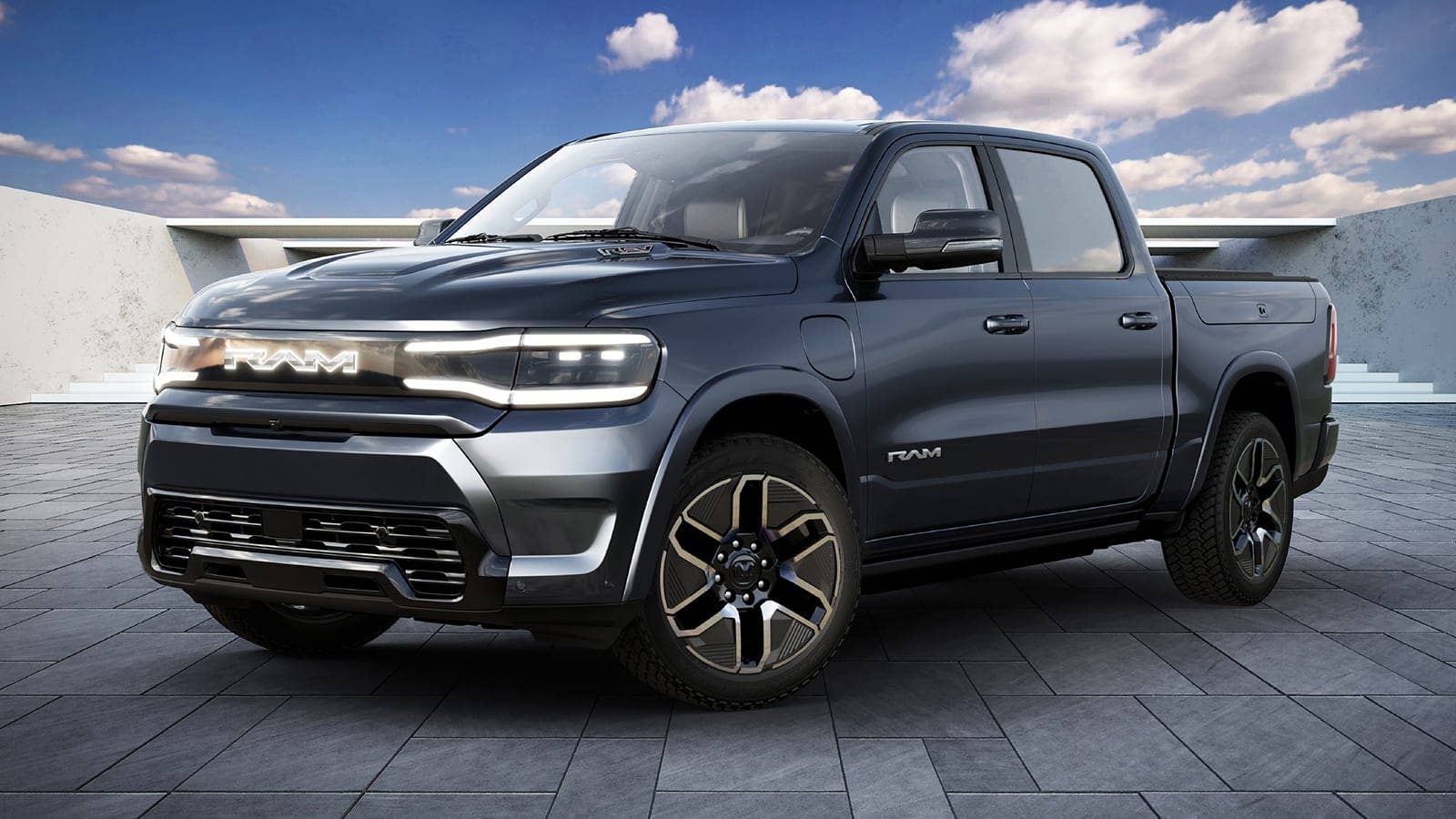
- Stellantis reversed course on the all-electric Ram 1500, opting instead for the Ram 1500 REV, a hybrid model incorporating a gasoline generator. This tactical shift directly reflects buyer preference for greater range flexibility.
- Dodge has pruned the lineup of the new Charger Daytona, limiting it to the $670$-hp Scat Pack trim, partly due to cost concerns related to trade tariffs.
II. Luxury and Import Market Vulnerability
The slowdown is not confined to domestic mass-market brands. Luxury and import segments are equally affected by reduced consumer enthusiasm and shifting global policies:
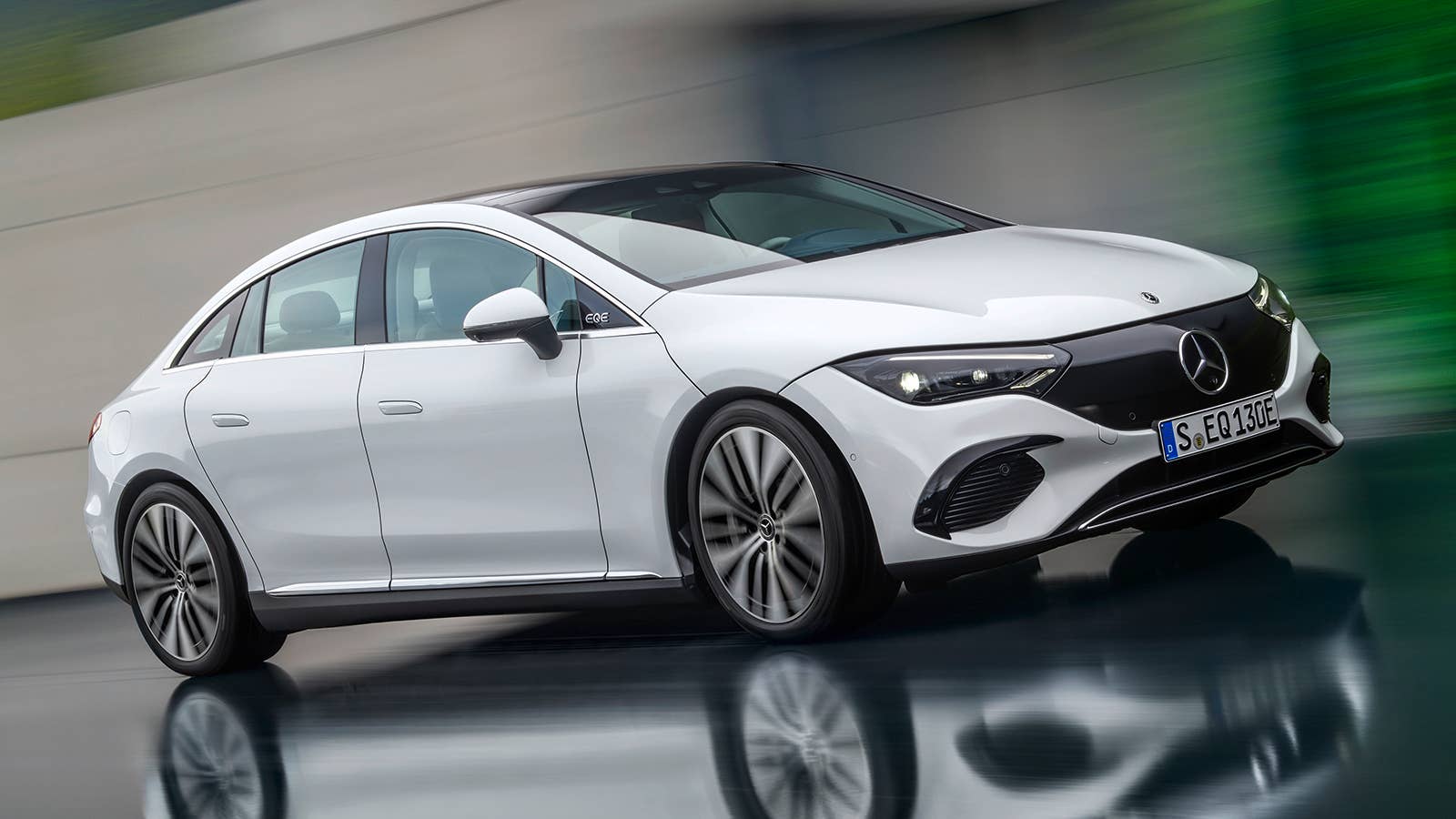
- Mercedes-Benz has quietly halted new orders for the premium EQE and EQS sedans and SUVs in the U.S. There are reports that the automaker may cease production of these high-end electric models as early as 2026 due to soft demand.
- Acura discontinued the all-electric ZDX after a single model year. Similarly, Genesis ceased U.S. sales of the Electrified G80 after selling only 1,329 units, confirming the difficulty of moving premium electric sedans.
- Nissan is pausing U.S. sales of its 2026 Ariya electric crossover, citing high import tariffs, the elimination of federal tax credits, and weak market appetite.
- Kia has placed a "temporary" hold on the U.S. launch of its upcoming EV4.
III. Startup Struggles and the Shift to Affordability
Even segment leaders and innovative startups are experiencing pain. Tesla reported a significant $63\%$ plunge in Cybertruck deliveries in the third quarter, with year-to-date sales down $38\%$ overall—far short of previous forecasts. Rivian, despite a temporary sales boost from expiring tax credits, projects a $30\%$ drop in fourth-quarter deliveries and is announcing significant layoffs (15,000 jobs), signaling a serious overestimation of immediate market capacity.
The industry's response indicates a significant shift toward the value-driven segment, recognizing that mass adoption requires overcoming the price barrier. New models slated for 2026 reflect this pivot:
- Chevrolet is reviving the Bolt in early 2026, targeting a sub-$30,000 price with a $255$ mile range.
- Hyundai has already reduced the base price of the Ioniq 5 to $35,000 (a $7,500 cut).
- Tesla is introducing a lower-cost Model Y RWD Standard ($321 \text{ miles}$ of range) priced under $40,000$.
- The Michigan startup Slate Auto is promising a minimalist two-door pickup starting around $27,000$.

IV. Conclusion: The Transition is Priced Lower
The EV boom has encountered the inevitable "early adopter" ceiling. The current slowdown is less about a failure of the technology and more about the failure of initial pricing and product segmentation, which heavily favored expensive trucks, vans, and luxury sedans. The long-term viability of the EV segment will hinge on whether automakers can successfully scale down production costs and meet consumer demand at the $30,000 to $45,000 price point, where mass-market adoption truly begins.
Frequently Asked Questions (FAQ) on the EV Market Slowdown
Q: What is the primary cause of the current EV sales slowdown?
A: The slowdown is primarily due to a combination of high EV purchase prices, the diminishing impact of government incentives (like federal tax credits), rising production costs for automakers leading to massive losses, and persistent consumer concerns over charging infrastructure and vehicle range.
Q: How are automakers adjusting their long-term EV strategies?
A: Manufacturers are recalibrating by halting or postponing expensive, low-volume models (like the Mercedes EQE/EQS and Ford F-150 Lightning production) and aggressively shifting focus toward developing affordable, high-volume EVs with starting prices targeting the $30,000 to $45,000 range by 2026.