

Staring at a mountain of receipts and a bank statement that looks like a foreign language? Yeah, I've been there. The thought of categorizing every single transaction used to fill me with dread. It felt like an endless chore, a task best left for my future, more organized self (who, let's be honest, rarely showed up). But ignoring it meant I had absolutely no clue where my money wasactuallygoing. I knew I was spending, but the "what" and "why" were complete mysteries. That's when I decided enough was enough. I needed a system, a way to tame the transaction beast without losing my sanity.
Turns out, the key wasn't becoming a spreadsheet guru, but finding a method that worked formeand my lifestyle. It’s about building a system that allows you to effortlessly track spending and unlock real insights without succumbing to overwhelm.
My Simple System for Taming Transaction Chaos
My journey to transaction peace wasn't exactly a straight line. I tried elaborate spreadsheets with color-coded categories and subcategories, only to abandon them after a week. I even dabbled with fancy budgeting apps, but their complexity felt more like a burden than a benefit. Finally, I realized the secret was simplicity. I needed something easy to implement and even easier to maintain. Here's what worked for me, and hopefully, it’ll spark some ideas for you too.
Reader Backstory: My Initial Struggles
Before I landed on my current system, my transaction tracking was… well, non-existent. I’d occasionally glance at my bank balance and think, "Hmm, that seems about right," or more often, "Where did all my money go?" I’d tell myself I'd get organized "next month," but next month always turned into the month after that. The problem wasn't a lack of willpower; it was a lack of a realistic process. I was aiming for perfection instead of progress. I was trying to do too much, too soon. I needed something less intimidating, something I could actually stick with.
Realistic Steps and Habits: My Approach
Here's the system I developed, which has helped me stay on top of my finances without getting overwhelmed:
- Choose Your Weapon: The first step is selecting your tool. For me, it’s a combination of my bank's built-in categorization feature and a very simple spreadsheet (Google Sheets is perfect!). I've found that the bank often gets it right for the majority of my transactions, and the spreadsheet is for the outliers or areas where I want more detail. Some people swear by apps like Mint, YNAB (You Need a Budget), or Personal Capital, and those can work great too. The key is to choose something you’ll actually use consistently.
- Establish Core Categories: Resist the urge to create a million categories! Start with broad categories that cover the bulk of your spending. Mine are:
- Housing (Rent/Mortgage, Utilities, Insurance)
- Transportation (Gas, Car Payments, Public Transit)
- Food (Groceries, Restaurants, Coffee Shops)
- Personal Care (Haircuts, Gym Memberships, Doctor Visits)
- Entertainment (Movies, Concerts, Streaming Services)
- Shopping (Clothes, Household Items, Gifts)
- Debt Payments (Credit Cards, Loans)
- Savings/Investments
- Miscellaneous (Anything that doesn't fit elsewhere)
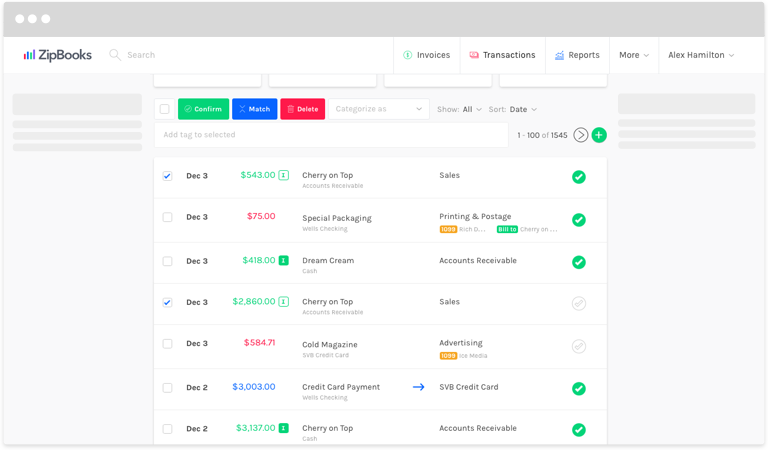
- The 5-Minute Rule: I dedicate five minutes, every other day, to categorizing my transactions. I pull up my bank statement, quickly review the past few days' worth of spending, and assign each transaction to one of my core categories. If a transaction is particularly confusing, I make a quick note or save the receipt digitally for clarification later. This short burst of activity prevents the task from piling up and becoming overwhelming.
- Automate What You Can: Look for opportunities to automate categorization. Many banks and budgeting apps allow you to set rules that automatically categorize recurring transactions. For example, my Netflix subscription is automatically categorized as "Entertainment" every month. This saves me time and ensures consistency.
- Don't Strive for Perfection: It's okay if you occasionally miscategorize something. The goal isn't to be 100% accurate; it's to get a general sense of where your money is going. A small error here and there won't significantly skew your overall financial picture.
- Review and Adjust: Once a month, I take a look at my spending by category. This helps me identify areas where I might be overspending or areas where I can cut back. It's also an opportunity to refine my categories if needed. Maybe I need to break down "Shopping" into "Clothes" and "Household Items" because clothing spending is consistently high.
You can always add more specific subcategories later if needed, but starting with the basics keeps things manageable.
The Benefits of This Approach
Since implementing this system, I've experienced some pretty significant benefits:
- Increased Awareness: I now have a clear understanding of where my money is going. No more wondering where it all disappeared!
- Improved Budgeting: Knowing my spending habits has made it much easier to create and stick to a budget.
- Reduced Stress: I no longer dread looking at my bank statements. Transaction tracking is now a quick and painless process.
- Better Financial Decisions: Armed with knowledge about my spending, I can make more informed decisions about how to allocate my resources. For example, I realized I was spending a fortune on coffee. By brewing my own at home, I saved a significant amount of money each month.
PAA-Style Questions Answered
How do I start categorizing my expenses?
Start small and simple. Choose one tool (a spreadsheet, an app, or your bank's built-in feature). Establish a few broad categories that cover most of your spending. Dedicate a small amount of time each week to categorizing transactions. Don't worry about being perfect; just aim for consistency.
Why is categorizing transactions useful?
Categorizing your transactions provides valuable insights into your spending habits. It helps you understand where your money is going, identify areas where you can save, and make informed financial decisions. It’s the foundation for effective budgeting and financial planning.
What if I miss categorizing some transactions?
Don't beat yourself up! It happens. Just try to catch up as soon as possible. The key is to be consistent over time, not perfect every single day. Even if you miss a few transactions here and there, you'll still get a good overall picture of your spending.
Final Thoughts
Categorizing transactions doesn't have to be a daunting task. By breaking it down into manageable steps, automating where possible, and focusing on consistency over perfection, you can gain valuable insights into your finances without feeling overwhelmed. Remember, the goal is to create a system that works foryouand your lifestyle. Find a method that fits and stick with it. You’ll be surprised how much clearer your financial picture becomes, and that clarity is empowering.
Ready to take control of your finances? Start small. Choose one thing from this article and implement it today. Even five minutes of focused attention on your transactions can make a big difference. What are you waiting for?